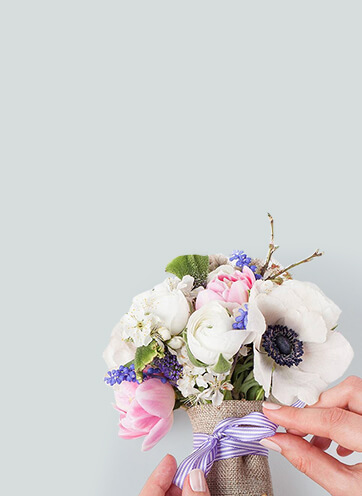
Wedding flowers Forty Hall Enfield before and after
Posted on 27/09/2026
Wedding flowers Forty Hall Enfield before and after: a practical guide to planning, styling, and getting the look right
If you are searching for Wedding flowers Forty Hall Enfield before and after, you are probably doing what most couples do at this stage: comparing ideas, trying to picture the ceremony space, and wondering how the flowers will actually look once everything is in place. That before-and-after moment matters. It is the point where mood boards stop being theoretical and the venue starts feeling like your wedding.
Forty Hall in Enfield has a character of its own. Elegant, historic, and quietly grand, it rewards floral design that feels thoughtful rather than overdone. In this guide, we will walk through what the transformation really means, how the process works, what to expect, and how to make choices that suit the venue, the season, and your budget. No fluff. Just the useful stuff, with a few real-world pointers along the way.
- Why Wedding flowers Forty Hall Enfield before and after Matters
- How Wedding flowers Forty Hall Enfield before and after Works
- Key Benefits and Practical Advantages
- Who This Is For and When It Makes Sense
- Step-by-Step Guidance
- Expert Tips for Better Results
- Common Mistakes to Avoid
- Tools, Resources and Recommendations
- Law, Compliance, Standards, or Best Practice
- Options, Methods, or Comparison Table
- Case Study or Real-World Example
- Practical Checklist
- Conclusion
- Frequently Asked Questions
Why Wedding flowers Forty Hall Enfield before and after Matters
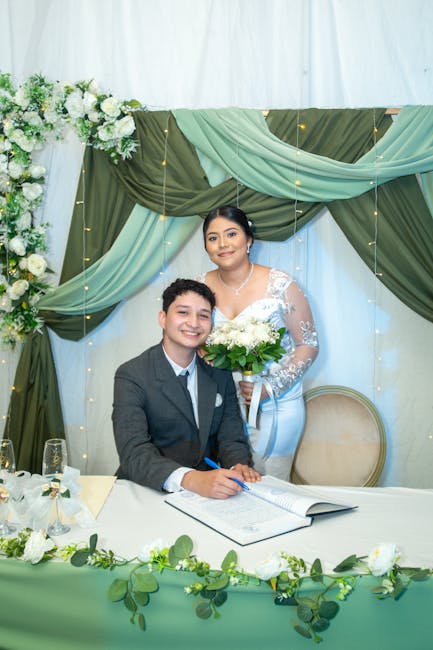
At Forty Hall, flowers do more than decorate. They frame the room, soften the architecture, and guide the eye. A well-planned floral scheme can make the venue feel warmer, more personal, and more cohesive from the very first guest arrival to the last photograph. The before-and-after comparison is useful because it shows the true impact of scale, placement, and colour.
Before the flowers arrive, a venue can feel a little formal or even bare, especially in a historic setting where the bones of the building do most of the visual work. After the flowers are installed, the same space suddenly reads differently. A doorway feels welcoming. A table feels intentional. A registrar or ceremony area feels finished. That shift is what couples are really paying for, even if they do not say it out loud.
It also helps with decision-making. When you see a realistic before-and-after layout, you can judge whether you want a light, airy style or something fuller and more dramatic. You can also spot where flowers are actually needed and where they are not. That saves money. To be fair, that is the bit most couples appreciate once the spreadsheet starts looking serious.
Expert summary: the best wedding flowers at Forty Hall are not just beautiful in isolation; they work with the venue's architecture, light, and movement. If the room already has presence, the flowers should refine it, not fight it.
How Wedding flowers Forty Hall Enfield before and after Works
The process usually starts with the venue layout and the ceremony plan. You look at where the key visual points are: entrance, aisle, registrar table, couple's table, staircase, guest tables, or reception focal areas. Then the florist decides how flowers can improve those points without overcrowding the space. Simple, really, but the detail matters.
For a before-and-after comparison, florists often think in layers:
- Before: the empty or lightly furnished space, showing the raw venue structure.
- During setup: flowers are positioned, adjusted, and balanced against the room.
- After: the finished result, viewed from the entrance, the aisle, and close-up angles.
At a venue like Forty Hall, the "after" should still feel breathable. Historic venues can become visually heavy very quickly if every surface is covered. The trick is proportion. A wide staircase arrangement might work beautifully, while a small table centrepiece could disappear unless it is designed with enough height or texture. The same goes for colour. Pale florals can glow in natural light; deeper tones can be dramatic in a more shaded room.
A good florist will also consider how the flowers are seen in real life. Guests do not stand still and admire one angle. They walk in, sit down, turn their chairs, lean to chat, and reach for drinks. The arrangement needs to work from multiple points of view. That is the bit that separates a pretty bouquet from a well-planned wedding floral scheme.
If you are browsing options, you may find it helpful to look at broader wedding ranges such as wedding collections and more specific designs like bridal bouquets, bridesmaid bouquets, and buttonholes. That helps you understand how the full story comes together, not just one bouquet on its own.
Key Benefits and Practical Advantages
A before-and-after floral plan is not only about aesthetics. It has practical benefits too, and these are often the things couples notice most once the day is underway.
- Clarity on the final look: you can visualise the venue instead of guessing.
- Better budget control: you see where impact is strongest and where you can scale back.
- Smarter colour choices: the venue's stone, wood, and natural light all affect how flowers read.
- Stronger photographs: the flowers create depth and frame the ceremony naturally.
- Less last-minute stress: clear planning means fewer surprises on the day.
There is also a quieter benefit: confidence. Couples often say they feel much calmer once they have seen the design mapped out properly. That makes sense. Weddings are full of moving parts, and flowers are one of the visible ones. When the floral plan feels settled, the rest of the day tends to feel more manageable too.
For many weddings, the most effective designs are not the biggest. They are the ones that feel placed with intent. A carefully chosen bouquet, a few balanced aisle pieces, and one or two room focal points can sometimes do more than ten separate decorations scattered everywhere. Less can be more, though not in a dull way. In a refined way.
Who This Is For and When It Makes Sense
This kind of planning makes sense for couples who want their flowers to work with the venue rather than sit on top of it. It is especially useful if you are marrying at Forty Hall and want a look that feels elegant, romantic, and in tune with the building. If you are imagining a styled, editorial sort of finish, you will benefit from thinking in before-and-after terms right from the start.
It also suits couples who are:
- comparing different floral styles before they commit
- trying to understand how much flowers are actually needed
- planning a ceremony with mixed indoor and outdoor moments
- working around seasonal availability
- wanting a clear cost-to-impact balance
If you are the practical planner in the relationship, this approach is gold. If you are the dreamy one, it still helps, because it turns the dream into something you can actually book. Both sides win. Rare, but lovely when it happens.
It also makes sense for anyone who has seen reference images online and thought, "That looks beautiful, but what would it look like in our venue?" That is exactly the right question. A floral design that looks right in one room can feel completely different in another. Forty Hall deserves designs that are scaled for it, not copied blindly from somewhere else.
Step-by-Step Guidance
If you want a smooth experience, break the process into manageable stages. That way, the flowers become part of the plan rather than a last-minute scramble.
- Start with the venue story. Think about the character of Forty Hall: classic, elegant, and warm rather than flashy.
- Choose your colour direction. White and green feels timeless, blush tones feel romantic, and richer shades can add depth in certain seasons.
- Decide on the main focal points. Prioritise where the flowers will have the biggest visual effect.
- Select the bouquet family first. Bridal bouquet, bridesmaid bouquets, and buttonholes usually anchor the rest of the design.
- Build ceremony and reception pieces around those choices. This keeps the whole look coherent.
- Confirm delivery, setup, and timing. Wedding flowers are time-sensitive, and the schedule matters more than people sometimes expect.
- Review the final before-and-after plan. Check scale, placement, and any venue restrictions.
A practical example helps here. Imagine a couple choosing soft white roses, lisianthus, and touches of greenery. In the before stage, the ceremony room may feel light but plain. In the after version, the same room looks calmer, more polished, and more intimate. No dramatic overstatement. Just enough movement and softness to make the venue feel dressed for the occasion.
And yes, sometimes the simplest flower palette has the strongest effect. Honestly, the room does a lot of the talking already.
Expert Tips for Better Results
Small decisions make a large difference. These are the things that, in our experience, tend to improve the final result without adding unnecessary complexity.
- Match flower shape to the room. Taller arrangements work better in some areas, while low, compact pieces suit table settings.
- Use one hero flower and support it with texture. Roses, lilies, hydrangeas, and lisianthus all behave differently visually.
- Think about photography. Some flowers read better in close-up, others create better silhouettes from a distance.
- Keep the palette disciplined. Two to four coordinated tones usually look more refined than too many competing colours.
- Ask how arrangements are repurposed. Ceremony pieces can often move to the reception, which is a sensible way to stretch the budget.
One thing couples sometimes overlook is the way flowers look in different light through the day. Morning light can make whites crisp and fresh. Later on, when the light softens, warmer tones may feel richer. If your ceremony and reception happen across a few hours, that change matters. A bouquet that looks perfect at 1pm can feel subtly different by 6pm. Not wrong, just different.
Also, do not be afraid of a little restraint. A full room of flowers sounds wonderful, but the most memorable designs often have breathing space. Empty space is not wasted space; it is what lets the flowers feel intentional.
Common Mistakes to Avoid
Most floral mistakes are avoidable if you slow down early. That is the good news. The less good news is that people do still make them, usually because they are juggling a dozen other wedding decisions at the same time.
- Choosing flowers without considering venue scale. A design that looks generous online may feel tiny in a larger space, or too heavy in a smaller one.
- Ignoring setup timing. Fresh flowers need the right window for delivery and installation.
- Mixing too many styles. Romantic, rustic, modern, and luxury all at once can become visually noisy.
- Forgetting the guest experience. Tall table pieces can block conversation if they are not designed carefully.
- Assuming every flower is available year-round. Seasonal changes are real, and substitutions happen.
There is also the budget trap: spending heavily on one dramatic item and then leaving the rest of the venue under-dressed. It can be better to spread impact across a few key moments. That way the before-and-after effect is felt throughout the day rather than concentrated in one corner.
Another simple one: not asking for a visual plan. Even a rough sketch or mood reference can save a lot of back-and-forth. Truth be told, a five-minute clarification can prevent a five-hour rethink later.
Tools, Resources and Recommendations
You do not need fancy tools, but a few practical resources make the process much easier.
- Venue photos: use your own images if possible, ideally from different angles and times of day.
- Colour references: save a small set of floral palettes instead of an endless board of mixed ideas.
- Guest list and layout notes: helpful for deciding how much decor is actually needed.
- Flower category browsing: look at wedding-specific ranges, such as wedding corsages and table arrangements, to see how accessories and reception pieces connect.
It can also help to browse a florist's wider range to see their style across different occasions. For example, a good wedding florist often has consistency in colour, form, and finishing touches, even across unrelated collections. Pages like about us and guarantees can also help you understand how they approach service, reliability, and customer care before you book.
If you are comparing product styles, a few bridal-friendly options worth exploring are bridal bouquet styles, bridesmaid bouquet styles, and broader designs in white wedding collections. You do not need to choose from these directly for every wedding, but they help you understand the level of finish available.
Law, Compliance, Standards, or Best Practice
For wedding flowers, the main compliance issues are usually practical rather than legal in the dramatic sense. The key best practices are about venue rules, health and safety, handling fresh flowers properly, and making sure installations do not damage the space. Historic venues often have their own requirements around fixing, access, cleanup, and where items can be placed. Always check with the venue before assuming anything.
If candles, water vessels, stands, or floor pieces are involved, the florist should plan carefully so they are stable and safe. You do not want a beautiful arrangement turning into a slip hazard or a blocked walkway. That sounds obvious, but weddings are busy and people forget. It happens.
Best practice also includes:
- clear written confirmation of what is being supplied
- agreed delivery and setup times
- confirmation of substitutions if a flower becomes unavailable
- care instructions for any flowers reused later in the day
- respect for venue rules and access windows
In the UK, wedding flowers are generally a service and product combined, so clarity matters. A good florist should be transparent about what is included, how changes are handled, and what happens if timings move. That transparency builds trust. Simple as that.
Options, Methods, or Comparison Table
When planning wedding flowers for Forty Hall, you will usually be choosing between a few broad methods. The right choice depends on the look you want, the budget you have, and how much of the venue you want to transform.
| Approach | What it looks like | Best for | Watch out for |
|---|---|---|---|
| Minimal accent styling | A few carefully placed bouquets or focal pieces | Smaller budgets, elegant simplicity, or a naturally beautiful venue | Can feel sparse if the space needs more warmth |
| Balanced ceremony and reception styling | Bridal flowers plus coordinated room details | Most weddings, especially when you want cohesion without excess | Needs good planning so the whole scheme stays consistent |
| Full venue transformation | Multiple focal points, strong colour story, and wider coverage | Couples who want a dramatic before-and-after impact | Can become expensive if not prioritised carefully |
For many couples, the balanced option is the sweet spot. It gives you the transformed feeling in photos and in person without trying to cover every surface. That said, if you are planning a very intimate wedding, minimal styling can feel beautifully restrained. Different jobs, different answers.
Case Study or Real-World Example
Here is a realistic example based on the sort of brief many couples bring to a historic venue. A pair of clients wanted a soft, romantic look for their ceremony at Forty Hall. They liked the idea of white blooms with a little green, but they were unsure whether that would feel too plain in the space.
Before the flowers went in, the room had lovely structure but felt formal. After the bridal bouquet, aisle accents, and a few carefully positioned focal pieces were added, the atmosphere changed straight away. The room felt gentler, more intimate, and more welcoming. The architecture was still visible, which mattered. Nothing was hidden. The flowers supported the venue rather than taking over.
What made the difference was not quantity alone. It was placement. The entrance area drew people in. The ceremony space held attention. The table details were simple enough not to compete. Guests noticed the effect immediately, even if they did not say much about it. You can tell when a room lands properly. There is a tiny pause as people walk in. Then everyone relaxes a bit. That is the moment you want.
If that sounds like the kind of result you want, a thoughtful wedding-specific range such as the perfect match bridal bouquet or the perfect match bridesmaid bouquet can help set the tone for the rest of the design. Matching is not about being identical; it is about belonging together.
Practical Checklist
Use this checklist to keep your planning grounded. Print it, screenshot it, scribble on it. Whatever works.
- Venue photos reviewed: yes / no
- Colour palette chosen: yes / no
- Bridal bouquet selected: yes / no
- Bridesmaid and buttonhole style matched: yes / no
- Ceremony focal points identified: yes / no
- Reception flowers planned: yes / no
- Delivery and setup timing confirmed: yes / no
- Substitution policy understood: yes / no
- Budget priorities agreed: yes / no
- Venue rules checked: yes / no
Quick reminder: if you are unsure where to start, begin with the bouquet and build outward. That usually gives the cleanest decision path. From there, everything else feels a bit easier, which is no bad thing when wedding planning is already doing its best to keep you busy.
Conclusion
Wedding flowers at Forty Hall Enfield are at their best when they respect the venue and sharpen its natural beauty. The before-and-after view is useful because it shows the true value of design: not just prettiness, but atmosphere, flow, and confidence on the day. A strong floral plan makes the venue feel ready for your story, which is exactly what you want.
If you keep the focus on scale, light, placement, and simplicity where it counts, you will usually end up with something that feels timeless rather than trendy. And that tends to age well in photographs too. A quiet kind of win.
Get a free quote today and see how much you can save.
Frequently Asked Questions
What does "Wedding flowers Forty Hall Enfield before and after" usually mean?
It usually refers to comparing the venue before floral styling and after the arrangements are installed. People use it to judge the visual impact, the scale of the design, and how the flowers change the feel of the room.
What flowers work best for a wedding at Forty Hall?
That depends on the season and the overall look you want, but many couples choose roses, lisianthus, hydrangeas, lilies, and greenery because they suit elegant historic settings well. The best choice is usually the one that fits the venue and your palette, not just a trend.
How far in advance should I plan wedding flowers for Forty Hall?
Earlier is better, especially if you have a specific colour story or want particular flowers. Planning in good time also gives you room to adjust the design if your guest count or ceremony layout changes.
Can flowers from the ceremony be reused at the reception?
Often, yes. This is one of the smartest ways to improve value. Ceremony pieces can sometimes be moved to reception areas, provided the florist and venue agree on the timing and logistics.
How do I make the flowers look good in photos?
Focus on placement and proportion. Flowers should frame the ceremony or reception naturally, not block faces or create clutter. A florist who understands photography will usually think about sightlines as well as colour.
Are white wedding flowers too plain for Forty Hall?
Not at all. White and green can look very refined in a historic venue, especially when texture and shape are varied. Plain is not the same thing as minimal done well.
How much should I budget for wedding flowers?
Budgets vary a lot depending on the number of items, the flower choices, and how much of the venue you want styled. A useful way to budget is to decide which areas matter most, then build from there rather than trying to cover everything equally.
What if a chosen flower is out of season?
A good florist should suggest a sensible substitute that keeps the same style and feel. Seasonal flexibility is normal in weddings, and it can actually lead to a better final result if handled well.
Do I need matching flowers for bridesmaids and buttonholes?
Matching helps the whole wedding feel cohesive, but it does not have to be identical. Often the best designs use shared colours or flower families while allowing the bridal bouquet to stand out more strongly.
What should I ask the florist before booking?
Ask about delivery, setup, venue handling, substitutions, timing, and what is included in the price. Also ask to see examples of similar work so you can judge whether their style suits Forty Hall and your own taste.
Can I keep the floral design simple and still make an impact?
Absolutely. In fact, many of the most elegant wedding looks rely on a few well-placed arrangements rather than lots of separate pieces. Simplicity can be very powerful when it is deliberate.
How do I know if a floral plan suits the venue?
Look at the venue's scale, materials, and natural light. If the flowers feel like they belong there rather than competing with the building, you are on the right track. That instinct is usually more reliable than people think.
In the end, the best floral plans are the ones that make the day feel like yours without shouting for attention. That is a lovely balance, and when it lands, you feel it straight away.